

Coletivo Tintória
The BlancArt project believes that creation becomes stronger when it is shared.
Coletivo Tintória was born from this desire to bring together practices and knowledge — through artistic residencies, institutional partners, colour-sharing networks, schools and local communities — in an ongoing dialogue between art, ecology and education.
We want to expand our creative universe into communities, from colour to matter, from gesture to transformation, and from making to the well-being inspired by plants.
This gallery presents the projects that have brought colour to this shared path.

CAU Residence
The CAU Project (Cortém Urban Village) was created by visual artist and architect Filipa Morgado.
It is a public art initiative that transforms the village of Cortém into a living space for creation and encounter.
It brings together artists in residence, who develop works inspired by the locality, its people, and the stories that inhabit the territory.
Blancart participated in a partnership dedicated to discovering the colours of Cortém — an exploration of local plant matter, in dialogue with artists and the community.
An open laboratory, sharing processes, documenting seasonal palettes… and much conviviality.
Want to know more about this project?
Images and sound recorded by André da Costa, as part of the CAU Project


Caldas Has Colour School Project
The Caldas tem Cor project was developed in the context of my work as a teacher in the technical area of the Professional Tourism Course at the Rafael Bordalo Pinheiro School Group.
More than a school exercise, Caldas tem Cor became a living laboratory for creation and awareness, where students learned to look at the territory from a new perspective: recognizing colour in native plants, minerals, and even organic waste.
Together, we created an "out-of-the-box" pedagogical project that associates 14 points of interest in the city of Caldas da Rainha with 14 locally extracted colours. Each colour is a sensory reading of the heritage — a way of retelling history through the living matter of the territory.
The experience is accompanied by an audio route narrated by Queen D. Leonor, in Portuguese, French, and English, and complemented by an artistic kit composed of:
- watercolours obtained from plant pigments, minerals, and waste;
- illustrated postcards created in collaboration with Visual Arts students;
- a ceramic palette developed by Ceramic students.
In May 2025, this project was awarded the 1st national prize in the GeraT competition, in the Secondary Education category — a collective recognition that values the joint work between the educational and local community, and the integration of dyeing knowledge in the enhancement of cultural and natural heritage.
Currently, the project continues to germinate new partnerships, namely with Antero de Quental Secondary School, in the Azores, where this dyeing route will be recreated and reinterpreted in the Azorean territory. The project now enters a new phase, entitled Cores que Contam, Territórios que se Encontram (Colours that Tell, Territories that Meet), which proposes to expand the Route of Colours to the Azores, establishing bridges between the natural and cultural heritage of the two regions.

ArtEcoVert
The Plant Colour Podcast
Art Eco Vert is a podcast entirely dedicated to the world of plant colour.
The project was born with the purpose of demystifying and promoting the use of natural colours, widely used before the 19th century, and of advancing them as a sustainable alternative.
In each episode, founder Pauline Leroux invites producers of dye plants, researchers, botanists, artisans, artists, teachers, farmers, and other enthusiasts of plant colour to share their work, knowledge, and vision. The result is a space for dialogue, where tradition meets innovation.
The podcast is broadcast every Thursday and Saturday, at 7:30 am, and is available on all listening platforms, including YouTube.
I had the pleasure of participating in the July edition of Art Eco Vert magazine, where I shared my journey and the work I developed on the importance of native plants.
Couleur Végétale Magazine | July 2025


Kabo x Cau Project
The documentary series “Meet The Artist” showcases the process, influences, and creative ideas of the artists from the CAU – Cortém Aldeia Urbana Artistic Residencies.
On November 30, 2025, the episode dedicated to my work premiered.
This episode presents my journey leading up to the Blancart project (formerly known as Minibo). The series shows moments experienced in the community and the sharing of know-how, the identification and collection of plants, chromatic experimentation, and the vision that guides my work, where nature transforms into colour, matter, and artistic expression.
Technical Sheet
Direction and Editing Carlos Tavares Pedro Artistic Direction CAU Filipa Morgado
Supported by
Portuguese Republic
Directorate-General for the Arts
Caldas da Rainha City Council
Vidais Parish Council
Minibo | Blancart
Recent project
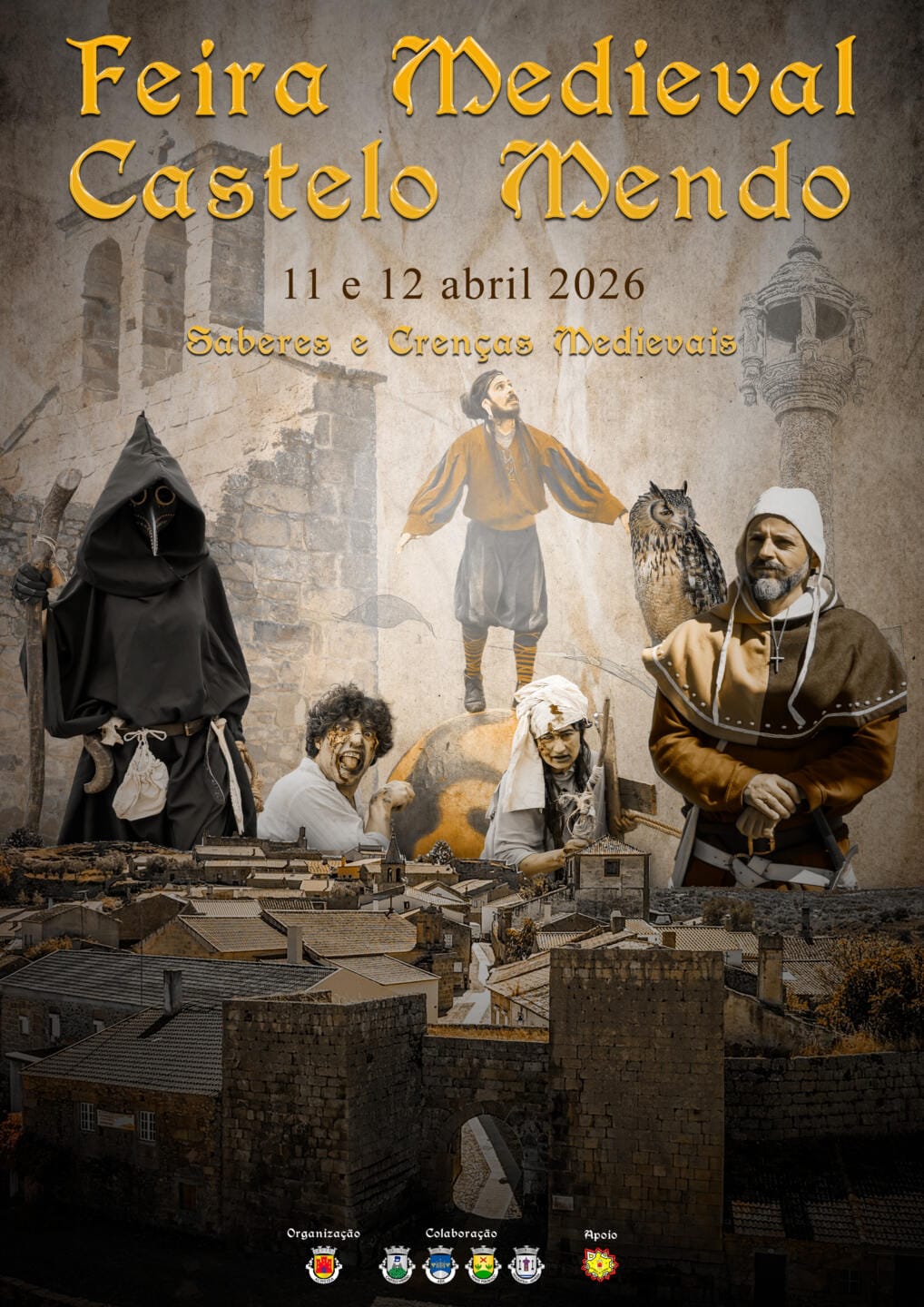
Gallic Ink Workshop at the Castelo Mendo Medieval Fair
In April 2026, BlancArt took part in the Castelo Mendo Medieval Fair, dedicated to Medieval Knowledge and Beliefs, with a gallic ink workshop.
The proposal brought together history, plants, tannins and hands-on practice, inviting the public to experiment with old processes for creating colour and writing.
Recent project
Tânia Blanquart at Herb Fest Portugal
BlancArt was presented in the Herb Fest Portugal speaker panel through Tânia Blanquart, referenced as an agronomist and dyer from Blancart Studio.
The participation includes the talk “Gallic Inks – Medieval / Natural Pigments”, connecting plants, natural pigments and dye practices to the festival context.
Recent project
BlancArt on UNESCO Botânica
BlancArt is referenced on the People page of UNESCO Botânica with the Dye Plants project.
The feature highlights the rediscovery of native dye plants, traditional knowledge around natural colours, and its transmission through educational and creative resources.
Recent project
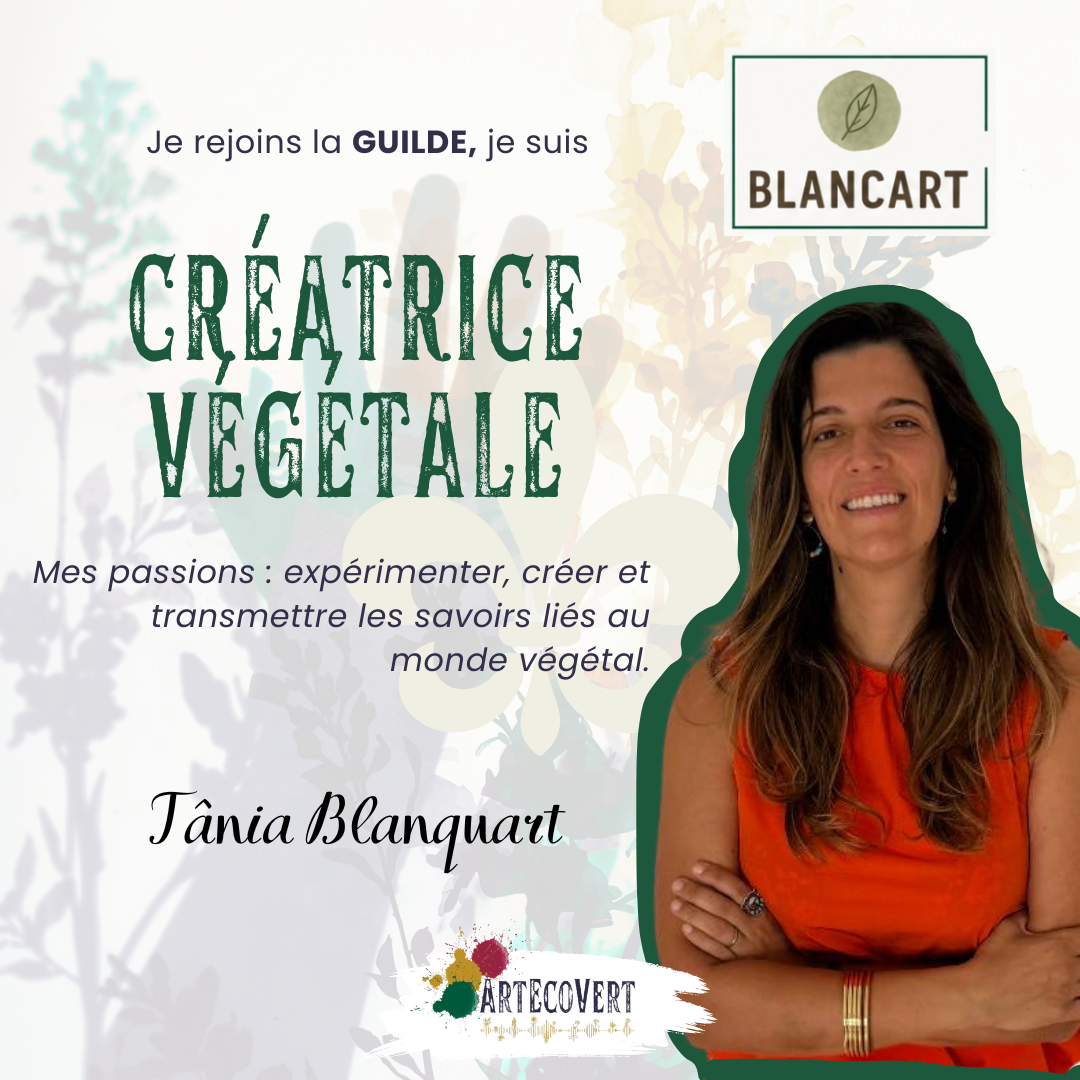
BlancArt joins La Guilde Tinctoriale
BlancArt is part of La Guilde Tinctoriale, an Artecovert initiative dedicated to dye practices, plant-based colour and the transmission of knowledge connected to the plant world.
Tânia Blanquart’s participation extends this work across experimentation, creation and education around dye plants and natural pigments.