BlancArt Studio
Pigments from Organic Waste — From Waste to Colour
Pigments from Organic Waste — From Waste to Colour
Couldn't load pickup availability
Pigments from Organic Waste — From Waste to Colour
Many everyday organic residues still contain colour: peels, seeds, stones, leaves, stems, kitchen scraps and food by-products. In this theme, participants discover how to extract and use these colours through simple, creative experiments: red-cabbage magic paper, anthotype, watercolours, paints and pigments made from organic waste.
I want to discover — 2h30
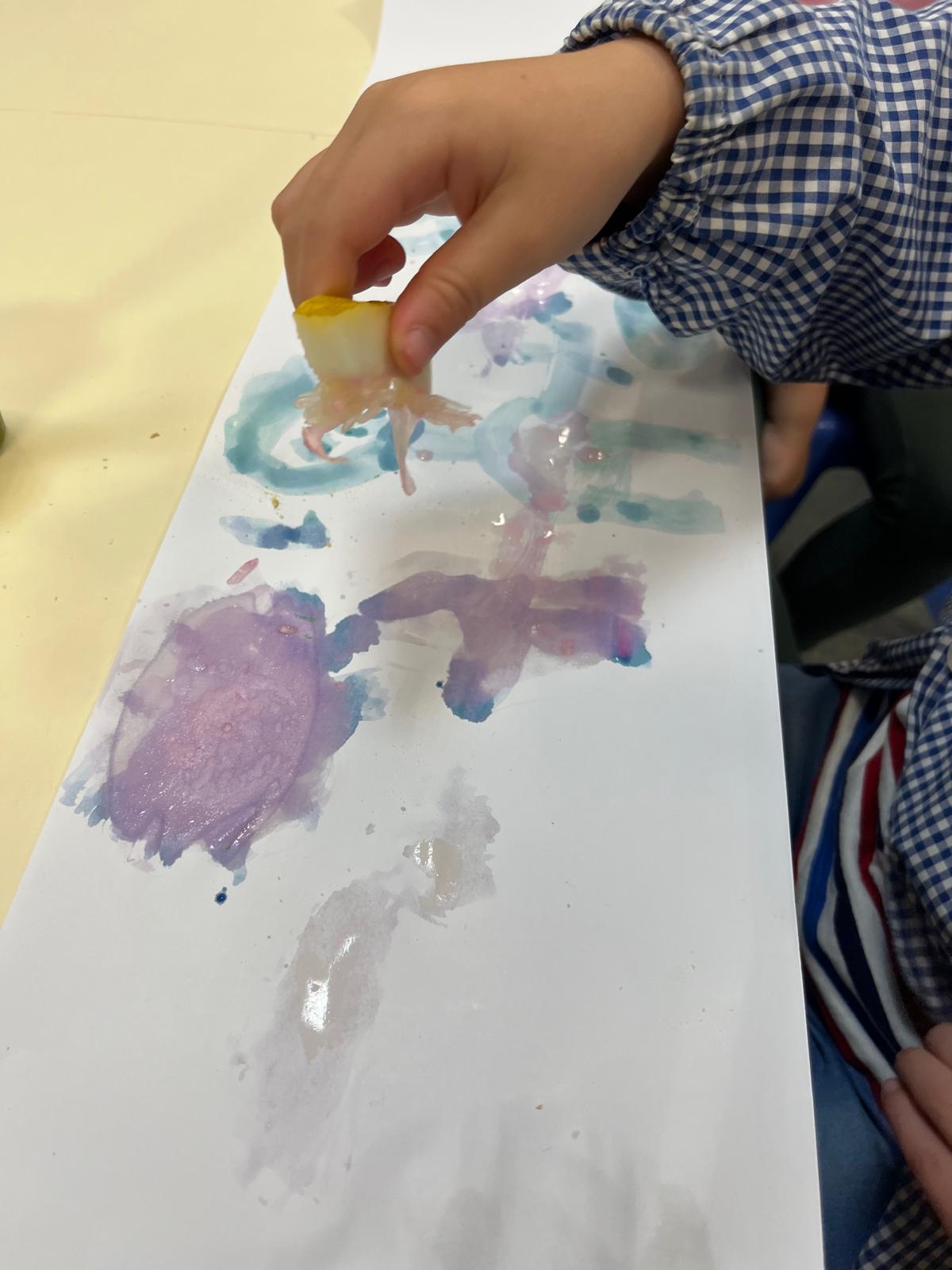
Discover the hidden colours in kitchen waste through observation and the extraction of juices and infusions. Experiment with red-cabbage magic paper and apply the colours to paper.
You will learn to identify colour-bearing materials, prepare simple extractions, understand the relationship between colour and acidity, distinguish liquid colour from pigment and compare results. You will observe different materials, prepare extractions from red cabbage, beetroot and spinach, make magic paper and create a small composition. At the end, you take home the magic paper, a composition, a materials card, colour samples and notes.
I want to continue learning — 4h
Experiment with different ways of using colours extracted from organic waste: watercolours, paints, anthotype, magic paper and simple tools. You will learn to compare residues and extraction methods, create paints, observe light sensitivity and the influence of the support and drying, and record the results. You will prepare extracts, experiment with onion skins, carrot tops, beetroot, spinach and red cabbage, create natural watercolours and build a sampler of colours and techniques.
I want to gain my autonomy — 2 days
A circular-colour laboratory dedicated to creating paints, pigments and artistic materials from organic waste. You will explore extraction, concentration, stabilisation, dry pigments and hybrid paints combining organic residues with plant or mineral pigments, as well as different binders and supports.
You will work with onion and avocado skins, carrot tops, beetroot, spinach, red cabbage, lemon, rhubarb, pomegranate peel and tea. You will prepare extracts, watercolours, gouache or natural paints, experiment with anthotype and magic paper, test paper and fabric and create a palette from organic waste. At the end, you take home a practical guide and a record of materials, processes and results. Base materials are included; colours may vary with season, material and extraction method, and some organic colours are light-sensitive.