BlancArt Studio
Resist Techniques and Patterns with Indigo
Resist Techniques and Patterns with Indigo
Couldn't load pickup availability
Resists and Patterns with Indigo
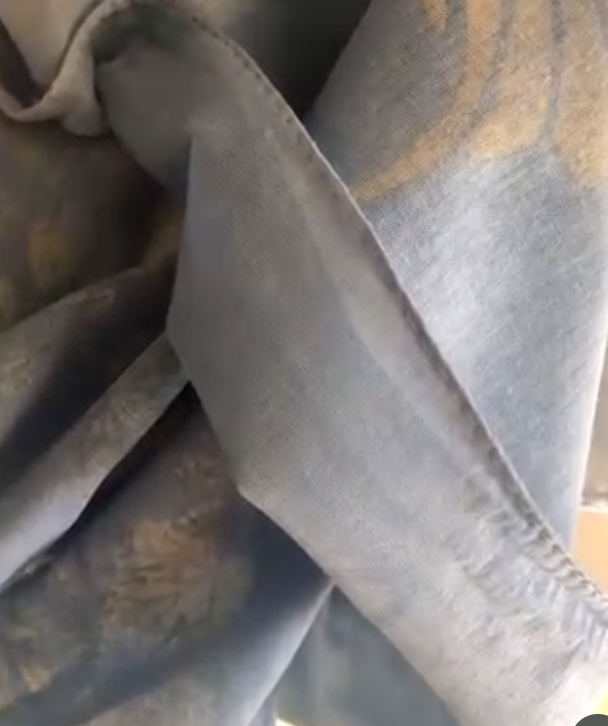
In this workshop, you will explore resist techniques using paste and stencils, creating protected areas before indigo dyeing. During the bath, the colour gradually transforms the fabric while the reserved areas remain protected and reveal the design at the end of the process. The approach is inspired by Japanese stencil-resist techniques such as katazome, while also exploring other contemporary resist formulations and processes.
I want to continue learning — 4 hours
A first experience to discover how resist paste can be used to create patterns before dyeing. Using stencils prepared in advance, you will experiment with applying the paste to fabric and follow the different stages through to the indigo bath.
You will learn to:
understand how a drawing can be transformed into a stencil;
draw and cut a simple stencil;
understand the characteristics of a resist paste;
apply the paste precisely;
control thickness and definition;
repeat and position a motif;
explore rhythm and composition;
follow successive dips in indigo;
understand the importance of oxidation between dips;
remove the resist;
compare and record the results.
At the end, you take home:
your stencil;
different tests;
a small sampler of resists and indigo;
a piece with your own pattern;
a practical guide.
I want to gain my autonomy — 1 day
A day to go through the process more autonomously, from preparing the indigo vat to creating and revealing a pattern using resist paste and a stencil.
We begin by preparing the indigo vat and understanding the elements needed for it to work. While following the vat’s development, you will develop your own motif, create the stencil and prepare the fabric with resist paste. When the vat is ready, we move on to dyeing, working with successive dips and oxidations to build the intensity of the blue. At the end, the paste is removed.
You will learn to:
understand how an indigo vat works;
prepare an indigo vat;
understand the role of pigment, reducing agent and base;
observe the development of the vat and recognise the main signs that it is ready for dyeing;
develop a motif suited to the technique;
draw and cut a stencil;
prepare the fabric for applying the resist;
apply resist paste through the stencil;
control the amount, thickness and definition of the application;
repeat and position the motif to build a pattern;
properly prepare the samples and piece for dyeing;
carry out successive dips and oxidations;
remove the resist paste and reveal the pattern;
compare the tests and interpret the results;
understand the basic principles for monitoring and continuing to use the vat.
At the end, you take home:
your stencil;
different samples and tests;
a final piece with your own pattern;
a practical guide to the procedures;
knowledge to continue exploring resists, patterns and indigo more autonomously.
Note: in this format, the aim is to learn to prepare and understand an indigo vat, as well as to complete the resist and dyeing process. Advanced maintenance and adaptation of the vat can be explored in specific indigo training.